Skip to content
No results
Blog
Coaching
Shop
Custom Training & Diet Plans
Consulting
Supplements
Pre-workout
Recovery
Sleep
Standing Desk
Tactical
Tech
Newsletter
About
Contact
Username or Email Address
Password
Remember Me
Forgot Password?
Log In
Username or Email Address
Get New Password
← Back to login
MISSION: Capable.
Blog
Coaching
Shop
Custom Training & Diet Plans
Consulting
Supplements
Pre-workout
Recovery
Sleep
Standing Desk
Tactical
Tech
Newsletter
About
Contact
Search
Shopping cart
$
0.00
0
Login
Menu
MISSION: Capable.
Shopping cart
$
0.00
0
Login
Tactics, techniques, and procedures to live the life you want to live.
First time visitor?
Start Here!
Recent Posts
What I Am Up To Now, January 2024
Read More
Willpower Snacks
Read More
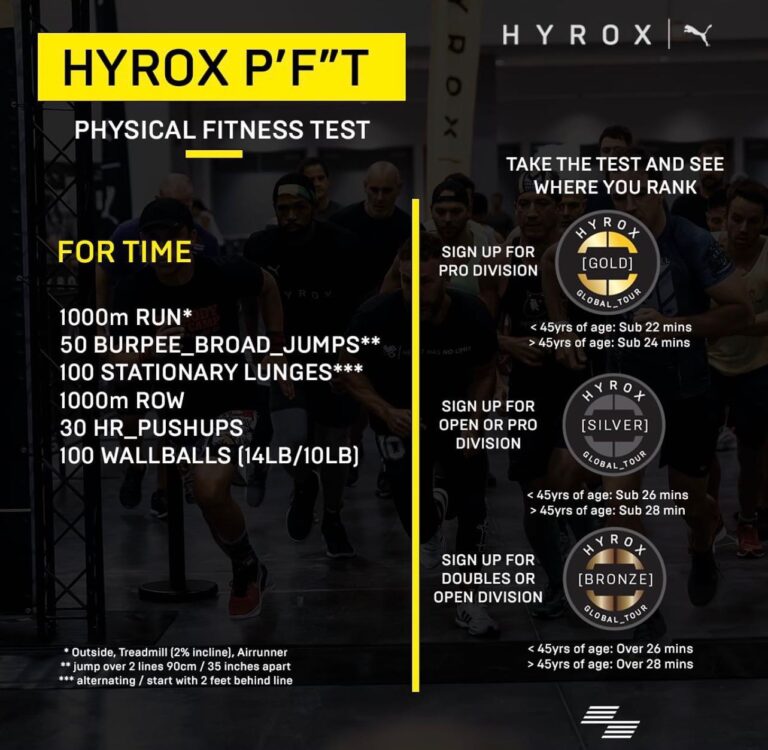
The HYROX Physical Fitness Test (P’F”T)
Read More
Load More
Highlighted Posts
Mission Capable Approved Footwear
Read More
How to Build a Garage (Home) Gym, Phase One
Read More
Ruck March Marathon Training Program After Action Review
Read More
You Are Living in a Zoo and What to Do About It
Read More
Nutrition 101: A Beginner’s Guide to Nutrition
Read More
The Framework Exercise Program
Read More
How to Prioritize Properly for Dietary Success
Read More
10,000 Kettlebell Swings in 30 Days
Read More
Foundational Posts
Manifesto
Read More
A Definition of Physical Fitness
Read More
A Definition of Fitness
Read More
A Definition of Mission Capable
Read More
No results